2025 Wole Soyinka Award for Investigative Reporting

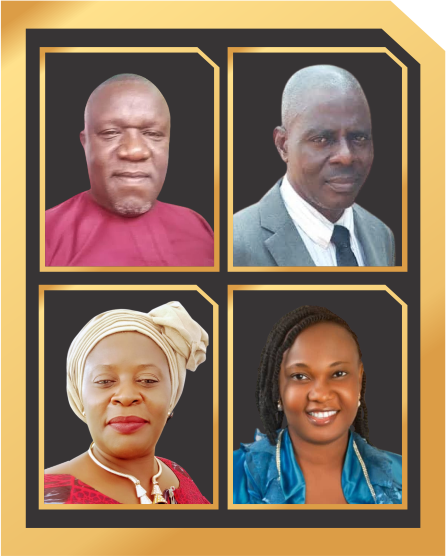
Soyinka Laureates

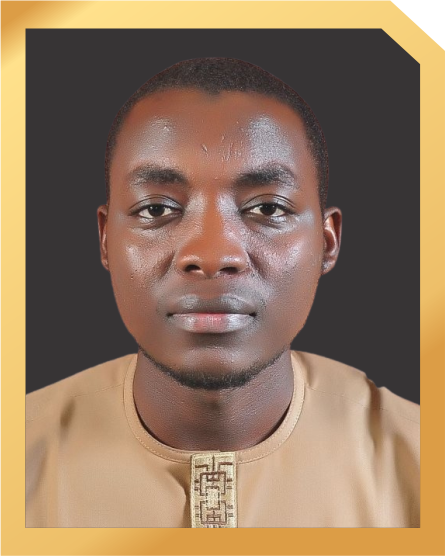
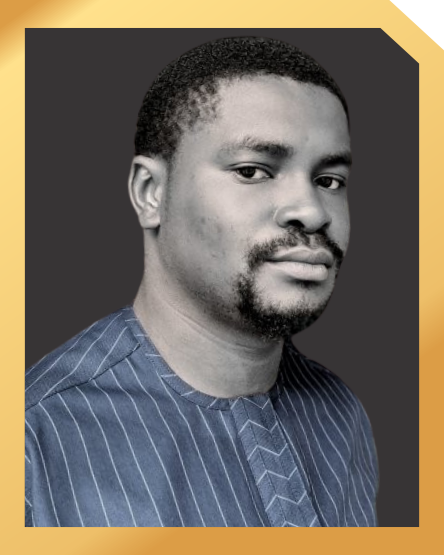
Theophilus Adedokun Image
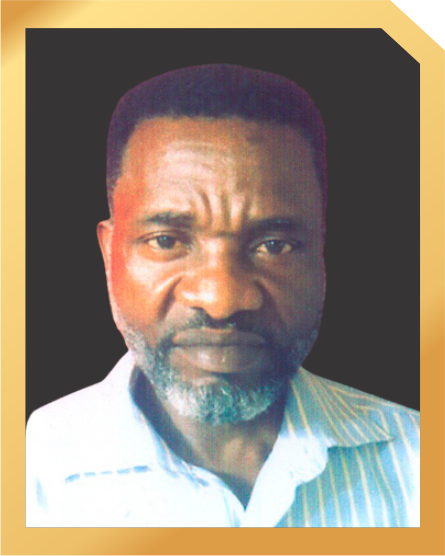
Theophilus Adedokun

Dangote, In Quest for Cheap Energy, Pumps Poison Into Benue Rivers

Category: Online

Media: National Record

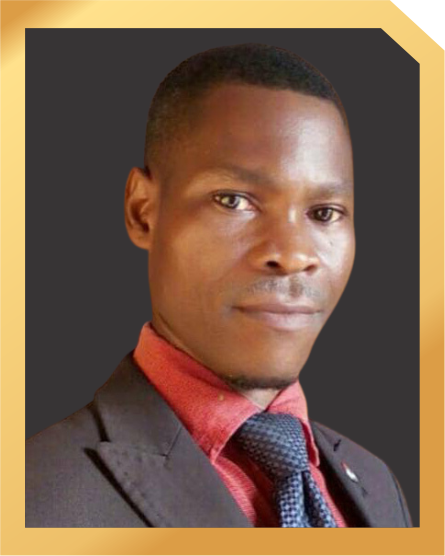
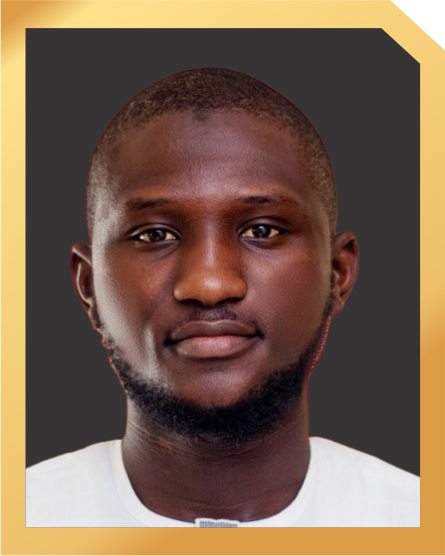
Muslim Muhammad Yusuf

Story: Inside Abuja’s Drug Problem

Category: TV

Media: Trust TV

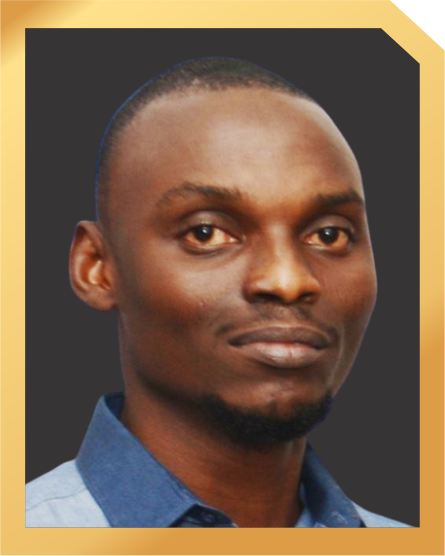
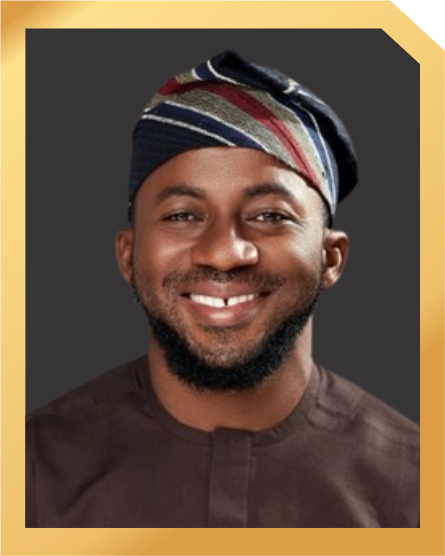
Afeez Hanafi
Afeez Hanafi

Story: Journalist secures two jobs with Oluwole certificates

Category: Print

Media: Daily Trust

Elliot Ovadje
Elliot Ovadje

Story: Rivers community falls into ruin as oil spill destroys livelihoods

Category: Photojournalism 

Media: Punch

Victor Asowata
Victor Asowata

Story: Gross Dereliction 

Category: Editorial Cartoon

Media: The Will Newspaper

Runner-up

Kunle Adebajo
Kunle Adebajo

Story: The Internet Fundraising Marathons Behind IPOB’s Armed Struggle in Nigeria

Category: Online

Media: HumAngle

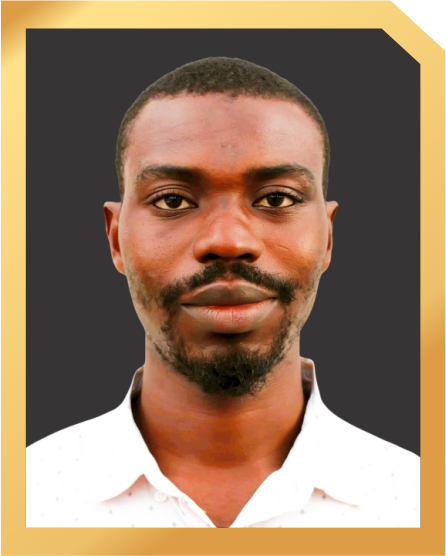
Kingsley Jeremiah
Kingsley Jeremiah

Story: Empty plates, bleak future: How malnutrition is devastating Northern Nigeria

Category: Print

Media: The Guardian

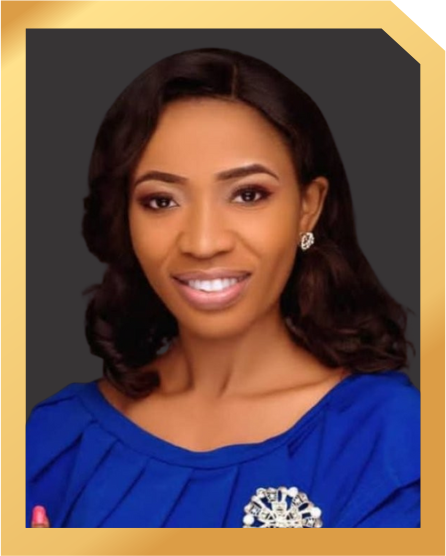
Ugonma Ogbu-Matthias

Story: Left Behind- Free Education Pushes Nomadic Children in Nigeria’s Capital to Learn Beneath Trees, Under the Rain

Category: Photojournalism 

Media: African Angle

Victor Asowata
Victor Asowata

Story: The Medical Tourist

Category: Editorial Cartoon

Media: The Will Newspaper

Commended

Isah Ismaila
Isah Ismaila

Story: Lost Homes, No Aid

Category: Online

Media: HumAngle

Anne Godwin, Tina Todo, Julius Osahon, Monday Osayande
Julius Osahon, Monday Osayande, Tina Todo, Anne Godwin

Story: South South: An Oil-Rich Region With ‘Dunghills’ of Abandoned Projects

Category: Print

Media: The Guardian

Chukwuemeka Emenike
Chukwuemeka Emenike

Story: GLITCHES SYNDROME

Category: Editorial Cartoon

Media: New Telegraph

Elliot Ovadje
Elliot Ovadje

Story: Beneath the Black Gold: Oil-rich Niger Delta’s Paradox of Plenty and Pain

Category: Photojournalism

Media: Punch

Winning Works

Winner – Afeez Hanafi 

 Journalist secures two jobs with Oluwole certificates by Afeez Hanafi, published on Saturday September 2025 on Daily Trust Newspaper, exposes a forgery network at Oluwole, Lagos state that now operates underground in collaboration with some police officers, after a massive raid on its hideout.  

It reveals how a fake degree procured for N40,000 can be used to secure a teaching job, the investigation highlights this regulatory lapse firsthand, using made-in-Oluwole certificates to secure a teaching job at two private schools in Lagos. 

During the investigation, the reporter used forged certificates produced at Oluwole to successfully gain employment at two private schools in Lagos. 


Runner-up – Kingsley Jeremiah 

Investigates the hunger crisis affecting children in the northern part of Nigeria and exposes how 25 years of failed nutrition policies, weak implementation, poverty, insecurity have left hospitals overflowing with malnourished children, many dying from preventable illnesses.   

This investigation reveals the human cost of policy neglect and calls for urgent, coordinated action to save the malnourished children. His investigative report documented how mothers in Zamfara, Sokoto, Kebbi, and Borno were helpless as they watched their children die from treatable conditions. 

 Commended – Ann Godwin, Tina Todo, Julius Osahon, Monday Osayande 

“South South: An Oil-Rich Region With ‘Dunghills’ of Abandoned Projects,” published on the Guardian investigates a region that fuels Nigeria’s economy but is itself buried under failed promises and abandoned infrastructure.  

 The story, a product of months of field reporting by Ann Godwin, Tina Todo, Osahon Julius, and Monday Osayande, exposes the number of incomplete projects across the six oil-producing states of the South South and the devastating impact on the people.  
 

Winner – Theophilus Adedokun  

The story Dangote, In Quest for Cheap Energy, Pumps Poison Into Benue Rivers uncovered significant pollution in the communities located in Okpokwu Local Government Area of Benue State, resulting in deaths, disease outbreaks, and persistent water scarcity.  

Theophilus Adedokun spent more than two weeks in the field, visiting more than eight out of eighteen communities in the local government to interview community members affected by the impact of mining in the communities. 


Runner Up – Kunle Adebajo 

The report “The Internet Fundraising Marathons Behind IPOB’s Armed Struggle in Nigeria” investigated the hidden financial operations of the terrorist group in southeastern Nigeria.  

In his report, Kunle tracked hours of live-streamed fundraising meetings extracting and analysing data that revealed how supporters contributed money to the group’s campaign. 

Following the report’s publication, the story contributed to wider public discussion, and the data was referenced by some authorities in diplomatic and legal processes involving the group. 


Commended – Isah Ismaila 

Published by HumAngle on 27 May, 2025, the story, “Lost Homes, No Aid” explores the humanitarian crisis in Niger State, North Central Nigeria, where thousands of people have been displaced by terrorist attacks, particularly in the Shiroro Local Government Area. The piece focuses on the Kuta IDP camp, a temporary shelter that has become a long-term refuge for victims from communities such as Bassa, Allawa, Manta, and Gurmana.  

The report was prompted by the growing invisibility of IDPs in North Central Nigeria, whose suffering has been overshadowed by more publicised crises in other regions. The title reflects both the physical destruction of communities and the systemic abandonment of displaced populations.  

Winner – Elliot Ovadje 

The Punch’s Elliot Ovadjecaptures the devastating aftermath of the OML 18 gas and oil spillage in Buguma, headquarters of the Kalabari Kingdom in Rivers State. 

 The images, captured over multiple visits to Buguma, tell the story of a once-thriving fishing community whose rivers have turned toxic. The spill, traced to facilities under OML 18 a field jointly operated by the Nigerian National Petroleum Company (NNPC) and its partners spewed crude and gas into the creeks, coating the water surface with thick films of oil.  

 The lead photograph showing a young girl scooping water from the contaminated river embodies the human tragedy left behind by the pollution.  


Runner-Up – Ugonma Ogbu-Matthias 

Ugonma Ogbu-Matthias uses her lens to spotlight the state of nomadic education in Yagoji, a rural community in Kwali Area Council of Abuja, where children enrolled in the LEA Primary School continue to learn under trees without classrooms, books, or basic learning materials.  

In Yagoji, pupils wade through puddles during the rainy season only to sit in the mud, while teachers conduct classes with broken blackboards, worn out chairs and no shelter from the day’s weather forecast. The image highlights the disconnect between policy and the reality of the children. 


Commended – Elliot Ovadje 

The image by Elliot Ovadje which featured on June 9, 2025, on Punch Newspaper “Beneath the Black Gold: Oil-rich Niger Delta’s Paradox of Plenty and Pain” captures the contrast between the immense oil wealth extracted from Nigeria’s Niger Delta and the poverty of the people. Focused on the riverine communities of Omadino and Uwakeno in Delta State, the image speaks on the paradox of abundance and suffering in the communities.  

A photograph of pregnant women fetching water from a well, the only source of water at a dilapidated hospital illustrates the collapse of public healthcare. Another image of a traditional healer treating a patient on a mat speaks to the desperation of residents who have turned to traditional medicine in the absence of functioning health facilities.  

Winner – Muslim Yusuf 

This investigative documentary, “Inside Abuja’s Drug Problem”, by Muslim Muhammad Yusuf for Trust TV documents the illegal drug trade in Nigeria’s capital where narcotics are openly sold and consumed in broad daylight despite heavy security presence and repeated law enforcement crackdowns.  

The report takes viewers deep inside Abuja’s hidden drug underworld through undercover filming, exclusive interviews, and immersive field reporting. Filmed across key hotspots such as Area 1, Tora-Bora Hill, Lungun Gurguwa, and Wuse 2 in Abuja, the investigation exposes how drug cartels sustain their trade through a network of street dealers and alleged collusion with compromised security operatives.  

Winner– Victor Asowata  

Victor Asowata in his cartoon published on 19, January 2025 in The Will News, draws up a scene of “gross dereliction” in which a police officer ignores a violent shark labeled “Terror” beside a complicit “Sponsor” feeding it money and instead chases down a harmless “Hunger Protester.”  

The pursuit highlights the misplacement of security agencies to confront genuine insecurity, the cartoon stands out for its clarity and powerful condemnation of misplaced law enforcement priorities. 


Runner-Up – Victor Asowata 

Victor Asowata’s ‘THE MEDICAL TOURIST published by The Will Newspaper on Sunday, September 28, 2025, critiques the neglect of the health sector and the hypocrisy of medical tourism.  

 The visual narrative: a leader in a wheelchair fleeing outside the country while being pushed past a stark list of problems like ‘JAPA – No Doctors, Nurses,’ ‘STRIKE ACTION,’ and ‘POOR FACILITIES’ serves as a critique of the leadership’s “neglect of the health sector” which has resulted in rundown public hospitals, the “JAPA syndrome” and incessant strike actions. The fleeing “LEADER” symbolises the hypocrisy of those who fail to fix the system but rely on foreign hospitals.  

Commended – Chukwuemeka Emenike 

The cartoon ‘GLITCHES SYNDROME’ by Chukwuemeka Emenike, Senior Cartoonist at New Telegraph, explores how the term “glitch” has evolved into a symbol of public distrust in Nigeria’s democratic and administrative institutions. It reflects on how the Independent National Electoral Commission (INEC), attributed its inability to upload presidential election results to glitches. 

The Joint Admissions and Matriculation Board (JAMB) also reported a system glitch, while the West African Examinations Council (WAEC) cited another glitch linked to a new anti-malpractice measure that affected the marking of key subjects. The monster’s question, “WHO NEXT?”, suggests that no public body is immune to the use of this excuse for failure.